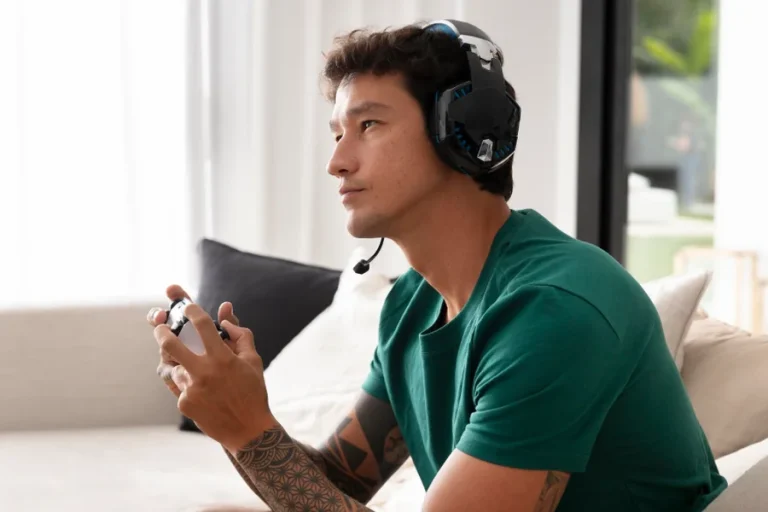
How to Make Gaming More Affordable for Students, Teens, and Families
Let’s be honest: gaming has gotten expensive. A single new release now costs $70, consoles run $400 to $500, and subscription prices keep creeping up every year.
If you’re a student watching your bank account, a teen stretching allowance money, or a parent trying to keep the household budget intact, you’ve probably noticed the squeeze. Entertainment Software Association data shows American households dropped an average of $449 on gaming last year. That’s real money.
But here’s what a lot of people miss: you don’t have to pay full price for any of this stuff.
What Gaming Actually Costs Now
Americans spent $59.3 billion on gaming in 2024. And that number only covers the obvious stuff.
Throw in controllers, headsets, online subscriptions, and the occasional microtransaction, and most families end up spending way more than they planned. Households with kids tend to spend about 50% more on entertainment than average.
The Switch 2 just launched at $450. A decent gaming PC runs $1,500 minimum. These aren’t small purchases, but there are actual ways to cut costs without giving up gaming entirely.
Gift Cards and Rewards Programs Actually Work
This might sound like a gimmick, but rewards programs have gotten surprisingly legit. You can get free Xbox gift cards just by filling out surveys in your spare time. That $70 game? Costs you nothing but a few hours spread across a week.
Microsoft Rewards is worth checking out too. You earn points for Bing searches and Game Pass quests. Most people pull in $5 to $15 a month without really trying. Sony has PlayStation Stars, Nintendo does promotional events. Free store credit adds up.
Free-to-Play Done Right
The free-to-play model gets a bad rap, and some of it’s deserved. But Fortnite, Warzone, Apex Legends, and Roblox are genuinely free if you’ve got self-control.
Yeah, they push cosmetics constantly. That’s how they make money. But none of it affects gameplay. Set yourself a rule: no spending, or $10 a month max. Stick to it and free-to-play stays actually free.
Subscriptions Beat Buying Individual Games
Game Pass and PlayStation Plus have kind of changed everything. Instead of dropping $70 every time something new comes out, you pay a monthly fee and get access to hundreds of games.
According to the Bureau of Labor Statistics, entertainment takes up about 4.7% of household spending. A subscription that replaces three or four full-price purchases per year can seriously dent that number.
Families get the best deal here. One Game Pass Ultimate account covers everyone in the house across console, PC, and cloud gaming. That’s a lot of value for around $20 a month (or less if you find discounted codes from third-party sellers).
Just Wait a Few Months
This one’s boring but it works: don’t buy games at launch.
Most new releases hit 50% off within three to six months. Steam’s summer and winter sales go up to 90% off. PlayStation runs Days of Play every year with solid discounts.
Sites like Humble Bundle sell game packages for almost nothing. Eight games for $12, and some of them are actually good.
Physical Games and Library Cards
Physical copies still exist, and they have one big advantage: you can sell them when you’re done. Buy something for $40, beat it, sell it back for $25. Your actual cost was $15.
Here’s one most people don’t know: public libraries lend video games now. The American Library Association has been pushing this for years. A free library card gets you access to dozens of titles.
PC Gaming on a Budget
Building a gaming PC sounds expensive, but you can put together a solid 1080p machine for $500 to $700 if you shop smart.
The Steam Deck opened up another option. It’s portable, runs PC games, and gives you access to Steam’s ridiculous sales. Not a bad entry point for someone who doesn’t want to commit to a full desktop setup.
Don’t Sleep on Mobile and Cloud
Your phone is already a gaming device. Mobile games have come a long way from Candy Crush. Stuff like Genshin Impact and Call of Duty Mobile actually looks and plays great.
Cloud gaming takes it further. Xbox Cloud Gaming and GeForce Now let you stream real games to cheap devices. You don’t need expensive hardware if you’ve got decent internet.
Bottom Line
Gaming doesn’t have to drain your budget. Between rewards programs, patient shopping, subscriptions, and free-to-play options, there’s almost always a cheaper way to play.
That $70 price tag on new games gets all the attention. But the people who actually know what they’re doing? They rarely pay it.