How the Gaming Industry Is Redefining Digital Engagement Strategies
The gaming industry has evolved far beyond its original role as a form of leisure and entertainment, becoming a powerful driver of innovation in digital engagement strategies across multiple sectors. Today, video games influence how users interact with platforms, consume digital content, and build long-term emotional connections with brands. Unlike traditional media formats such as television or static web content, gaming emphasizes active participation, real-time feedback, and continuous interaction. This fundamental difference reshapes how audiences perceive value and engagement in digital environments.
Modern gamers expect to be involved rather than observed, which has changed the baseline expectations for digital experiences as a whole. Interactivity, personalization, and immediacy are no longer optional features but core requirements. As a result, gaming now serves as a reference point for companies seeking deeper, more sustainable, and more measurable engagement strategies. Industries ranging from marketing to education increasingly adopt mechanics first refined in gaming ecosystems.
The Rise of Interactive Communities in Gaming
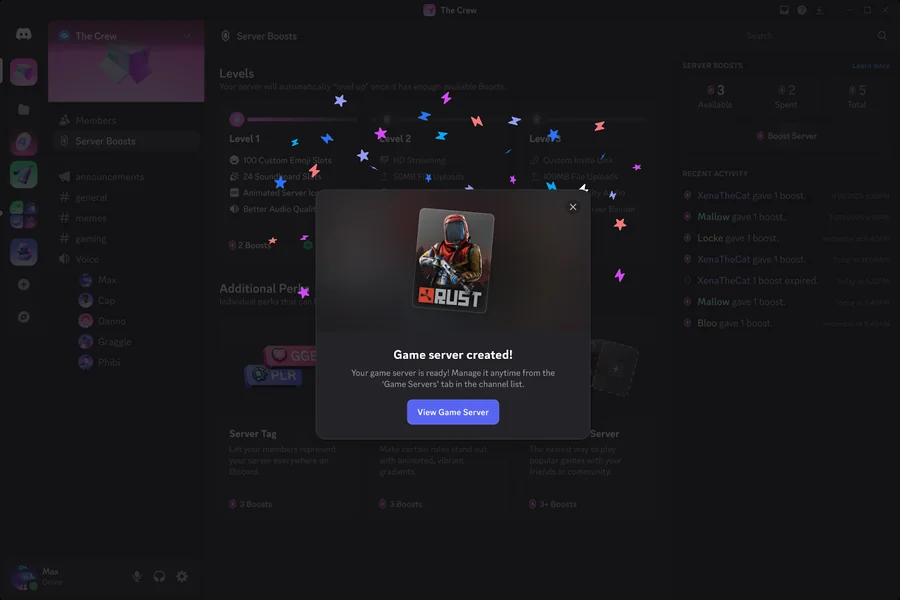
One of the most transformative aspects of the gaming industry is its ability to create deeply interactive and self-sustaining communities around digital products. Players no longer exist in isolation; instead, they form persistent networks that communicate daily through forums, social media platforms, Discord servers, live chats, and in-game communication systems. These environments allow users to exchange knowledge, debate strategies, share personal achievements, and collectively shape the evolving identity of a game or franchise.
Community-driven engagement significantly extends the lifespan of gaming products. Even when players are not actively playing, they remain involved by following updates, watching streams, or participating in discussions. This ongoing interaction creates a sense of belonging and ownership that traditional digital platforms rarely achieve. From a strategic standpoint, such communities improve retention, strengthen loyalty, and generate organic user-generated content that further fuels engagement.
Importantly, these gaming communities also influence development decisions. Feedback loops between players and developers are often direct and visible, reinforcing trust and transparency. This model demonstrates how digital engagement becomes more effective when users feel their participation has real impact.
Esports Events as a New Engagement Model
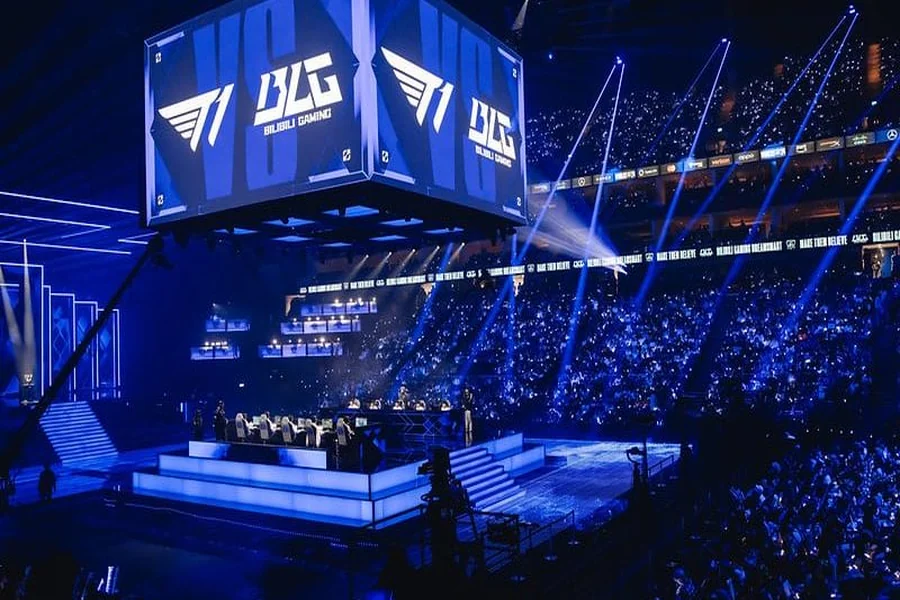
The rapid expansion of esports has introduced a new benchmark for digital engagement through large-scale, globally accessible online events. Competitive gaming tournaments integrate live broadcasts, real-time statistics, interactive chats, prediction systems, and social media discussions into a single, cohesive experience. Viewers are encouraged not only to watch but also to participate by reacting, commenting, analyzing plays, and sharing content while events unfold in real time.
This engagement model becomes especially visible during major international competitions, where coverage of cs major tournaments plays a central role in shaping esports narratives and maintaining audience loyalty across multiple platforms. These events attract viewers before matches begin and continue to engage them long after the final results through highlights, interviews, and analytical content. Engagement is therefore sustained rather than limited to the duration of the broadcast.
For brands, publishers, and organizers, esports events offer valuable insights into audience behavior. Engagement spikes can be tracked, measured, and optimized in real time, allowing strategies to be adjusted dynamically. This makes esports one of the most advanced testing grounds for digital engagement strategies within the entertainment industry.
Personalization and Player-Centered Experiences
Personalization has become a defining feature of modern gaming and a core driver of long-term digital engagement. Games increasingly adapt to individual player behavior through customized interfaces, tailored difficulty levels, personalized challenges, and dynamic reward systems. This approach ensures that users feel recognized and valued as individuals rather than treated as part of a homogeneous audience.
Advanced analytics and behavioral data allow developers to fine-tune content delivery based on play style, skill progression, time investment, and engagement patterns. As a result, players are more likely to remain active and emotionally invested over extended periods. This level of personalization contrasts sharply with static digital campaigns, which often rely on one-size-fits-all messaging and limited interaction.
Beyond gaming, these player-centered principles are now influencing digital marketing, streaming platforms, and online services. Features such as achievement systems, loyalty programs, and gamified onboarding processes are increasingly adopted by other industries seeking to replicate gaming’s ability to maintain user attention and engagement over time.
Cross-Platform Engagement and Content Ecosystems
The gaming industry excels at building cross-platform engagement ecosystems that extend far beyond a single application or device. A single title may exist simultaneously on PCs, consoles, mobile devices, streaming platforms, and multiple social networks. Each channel fulfills a different role while reinforcing the broader engagement strategy tied to the game or brand.
This interconnected approach allows users to move seamlessly between content formats. A player might watch a live stream, engage with short-form video highlights, read analytical articles, and participate in discussions before returning to the game itself. Engagement becomes continuous rather than episodic, ensuring that the audience remains connected even when they are not actively playing.
For digital strategists, gaming offers a clear lesson in consistency and adaptability. Successful engagement depends on delivering coherent messaging across platforms while respecting the unique behaviors and expectations of each audience segment. Gaming ecosystems demonstrate how sustained engagement is built through flexibility, accessibility, and relevance.
Conclusion
The gaming industry has firmly established itself as a leader in redefining digital engagement strategies in the modern digital landscape. Through interactive communities, esports-driven event models, personalized user experiences, and cross-platform ecosystems, gaming demonstrates how engagement can be deep, sustained, and emotionally resonant. These strategies prioritize participation, feedback, and long-term involvement over passive consumption.
As other industries continue to evolve, the principles pioneered by gaming are increasingly shaping digital practices far beyond entertainment. Companies that embrace these approaches are better positioned to build meaningful relationships with their audiences. In this context, the gaming industry is not just influencing digital engagement—it is actively defining its future.