Dubai’s Real Estate and Expat Lifestyle
Dubai is often described in broad strokes, but the real story of its property market becomes clearer once you understand how expatriates actually live there. Housing demand is shaped less by speculation and more by practical lifestyle choices, employment patterns, and temporary residency trends.
For anyone looking to invest, understanding these everyday factors is just as important as following market headlines.
How Expat Life Shapes the Market
Most of Dubai’s residents are expatriates, and that fact influences nearly every part of the housing market. Many newcomers arrive on fixed-term leases, usually 6 to 12 months, and choose housing based on convenience, proximity to work, and daily needs rather than permanent settlement.
This creates steady rental demand across neighborhoods that cater to practical lifestyles.
What investors should know:
- A large portion of residents rent, even when they could buy.
- Proximity to offices, schools, and amenities drives tenant choice.
- Areas with reliable infrastructure maintain consistent demand.
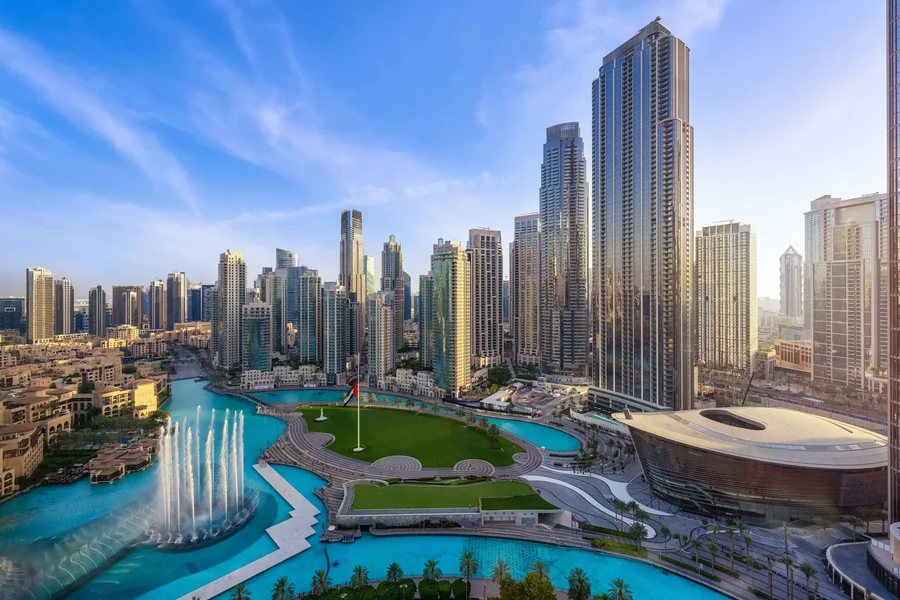
Neighborhoods like Dubai Marina, Jumeirah Lake Towers, Downtown Dubai, and Business Bay are popular because they balance location, services, and transit access. Properties in these areas tend to stay occupied longer.
Rental Demand Relies on Flexibility
Expat tenants in Dubai often move every couple of years, whether for job changes or lifestyle reasons. Shorter leases are common, and properties that are well maintained and move-in ready generally perform best.
Furnished apartments are especially attractive to newcomers who want to settle quickly without large upfront investments.
What investors should know:
- One- and two-bedroom units attract the widest tenant pool.
- Furnished apartments reduce vacancy periods.
- Being close to business districts or metro stations improves rental stability.
Rental performance in Dubai depends more on usability and convenience than on luxury or brand-name developments.
Lifestyle Amenities Matter
Expats often choose neighborhoods where daily life is easy. Access to grocery stores, fitness centers, schools, and medical facilities matters more than architecture or high-end finishes.
What investors should know:
- Walkable communities attract long-term tenants.
- Areas near schools, clinics, and shopping centers enjoy steady demand.
- Traffic patterns and accessibility affect tenant satisfaction.
Properties that make day-to-day life simple tend to hold value better over time.
Ownership Rules for Foreign Investors
Dubai allows foreign nationals to own property outright in designated freehold areas, which has increased confidence among international buyers.
Property transactions are regulated and documented, making the process relatively transparent compared to many emerging markets. Long-term residency options are also available for qualifying property investments, typically for units above certain values.
What investors should know:
- Freehold ownership is permitted in specific zones.
- Purchases are registered with government authorities.
- Qualifying properties may allow investors to secure long-term residency.
These rules lower barriers for anyone looking to invest in Dubai real estate with a long-term perspective.
Yields and Returns in Real Terms
Dubai offers relatively strong rental yields compared with many European or North American cities, though returns vary by neighborhood and property type. Gross rental yields can range between 5–8% in well-established areas.
What investors should know:
- Net returns are influenced by service charges and management fees.
- Older, established buildings usually provide more predictable performance.
- Paying above market value can reduce long-term returns.
Careful property selection and attention to local demand often matter more than chasing rapid appreciation.
Growth Tied to Employment and Infrastructure
Property growth in Dubai follows employment trends, infrastructure development, and population inflows. Large-scale projects, transit expansion, and business investment continue to drive demand in certain neighborhoods.
What investors should know:
- Job growth directly impacts rental demand.
- Completed infrastructure reduces investment risk.
- Mature communities outperform speculative areas in the long term.
Understanding where people already live and work is key to predicting which properties will stay in demand.
Observing Lifestyle Patterns for Smarter Investments
The best investments come from understanding expat behavior. Housing is often chosen for efficiency, convenience, and flexibility rather than long-term attachment.
Properties that meet everyday needs, such as short commutes, nearby services, and practical layouts, tend to attract tenants reliably. Paying attention to these patterns helps investors make better decisions and avoid relying on market hype or temporary trends.
A Clearer View of Dubai Real Estate
Dubai is a city shaped by movement, work schedules, and an international population that values flexibility. Housing demand is driven by proximity to offices, transit, schools, and lifestyle essentials. Properties that align with these needs tend to maintain relevance across market cycles.
For anyone planning to invest in Dubai real estate, focusing on neighborhoods that meet expat lifestyle needs helps reduce risk and maintain steady returns. Choosing areas with established infrastructure, convenient amenities, and consistent rental demand often results in more durable investments than chasing the latest developments or flashy towers.
Taking the time to understand how people actually live in the city gives investors an advantage and a clearer perspective on what makes Dubai’s real estate market function day to day.